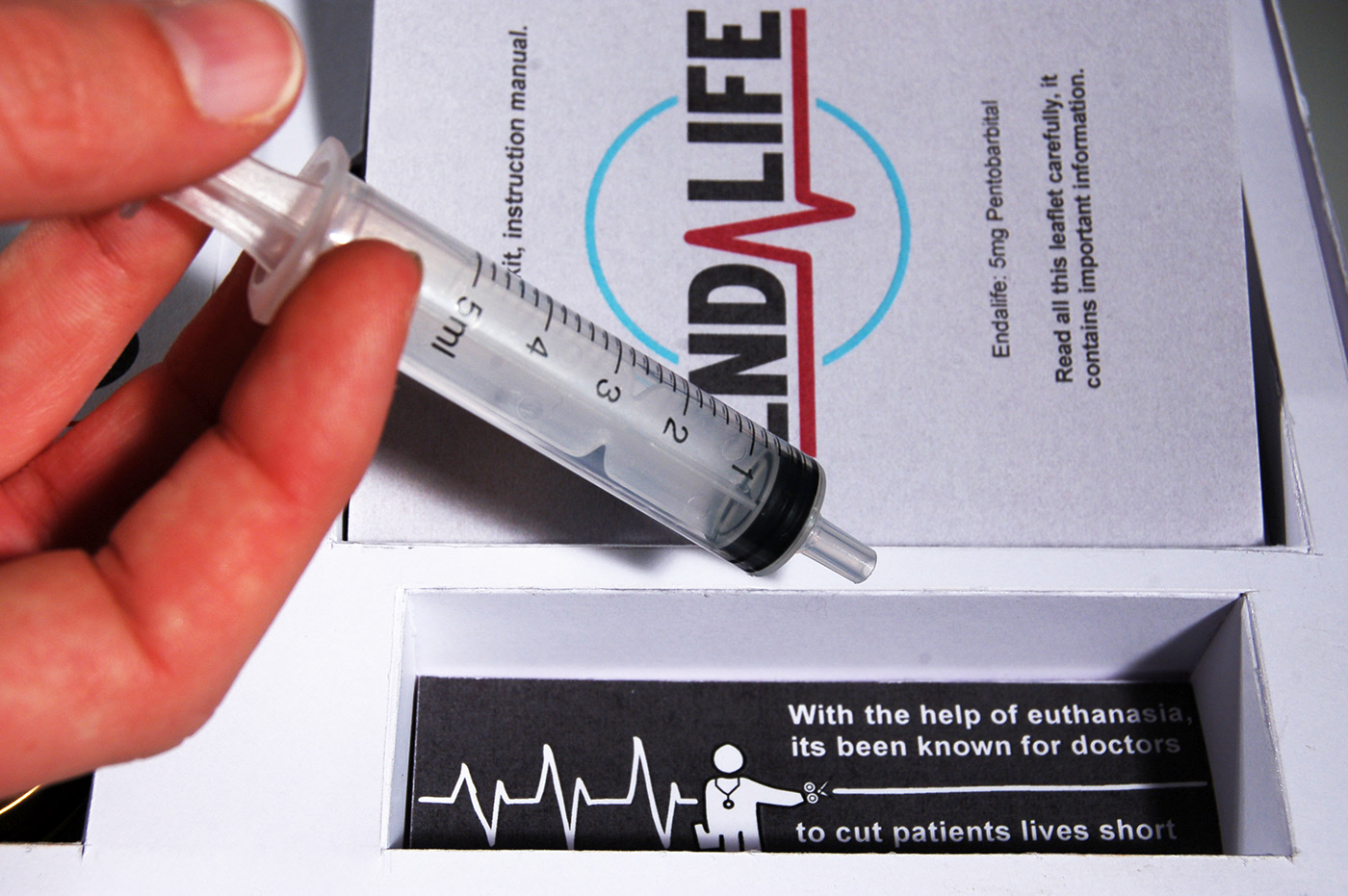

In this weeks Quantum of the Wee Flea we look at euthanasia/assisted suicide/mercy killing – examining the reasons why this is being pushed – especially in the Western world – including Shakespeare and Laurence Oliver; Reasons for Euthanasia; History; Belgium; Matthew Parris; Kevin Yuill; France; the Netherlands; Africa, Asia and the Middle East; Maid in Canada; Australia; South America; Scotland; the UK; Claire Fox; Debating Euthanasia; The Church; Archbishop Kanishka Raffel; Hitler; the Christian Answer. with music from MASH; Ralph Stanley; Disturbed; Ed Sheeran ; Bach; Casting Crowns; and St Peters Free Church.
Here is the music used in this weeks podcast – https://open.spotify.com/playlist/28SiFgTxyOOfKW6OBj7fHo?si=11b9b5fe22754e0c
Support Quantum here
Catch up on last week – Quantum 299 – Rewriting History, Telling Truth, Celebrating Beauty
Hi David. Excellent analysis of the issues. Regarding the “slippery slope “, a WA politician rejected this proposition and argued that liberalisation of provisions, by parliament ,was an expression of the democratic will. No slippery slope only democracy in action.
Once you break the big rule “Thou shall not commit murder”, you end up making lots of more and more little rules trying to justify that decision.
‘MAD’=Medically Assisted Dying. Aye-why add the ‘i’?
I qualified in medicine around three and a half decades ago. Most of my close friends or colleagues (most atheist or agnostic) are highly averse to MAid. I had an instinctive aversion to ‘assisted suicide’ when younger, but could appreciate why non-clinicians often appeared to see a rational basis for it. This changed after working in a hospice for time during a career transition. People in distress derived huge benefit from palliative care. Spiritual-social-physical-psychological peace (in overflowing abundance) came to so many of the clients (plus friends or families) when comfortable life was sustained in the final 24 hours or last days of life. People mysteriously appeared from the woodwork where healing of relationships and forgiveness was desperately needed, and time short. It was the most spiritually enriching part of my whole career. I suspect that lots healthcare workers might be in sympathy with this viewpoint. But those in employment may feel intimidated from expressing these sentiments.
What do you think about the common use of morphine line drivers in the final days of life? For people whose breathing is already strained the morphine suppresses their breathing and undoubtedly shortens their life. Even if it is just days or hours, is this wrong?
The opposite often applies in my experience. People with decent analgesia often can get days of meaningfully positive life added I suspect. Morphine (at regular or therapeutic doses) rarely suppresses breathing in patients who are not opioid naive. Morphine kills people when used as a drug of addiction, but not normally at the much smaller doses used by physicians. Morphine accelerating death in hospices may be an urban myth.
Whilst working as a staff nurse on a particular oncology ward in Scotland in the 1990s, I attended a seminar on “Living Wills”. Discussions took place about the ethics of consulting patients on what their wishes were when they were getting closer to death. The speaker had interviewed many patients on their admission to the ward and often they would look at a patient further down the road than themselves who must have looked pretty dreadful to them. The consulted patient would often say, “When I start looking as bad as that, just shoot me” or some such thing. But when they had reached the point of looking pretty dreadful themselves, on a subsequent consultation, the patient had forgotten they had “asked to be shot” and instead seemed not to notice how far down the road to their own death they had reached. The seminar discussed withdrawal of care which you mentioned in your podcast and everyone seemed to see the sense in withdrawing certain treatments when they were no longer achieving adequate help for the patient, eg, antibiotics to treat longstanding chest infections/ pneumonia etc. There was no question of removing good palliative care, however, and most of us prided ourselves in giving excellent nursing care ensuring comfort for our vulnerable patients right up to the point of their death. It is heartbreaking that a couple of decades later, and a couple of attempts by the Scottish Parliament at introducing euthanasia later, they are determined to push for this again. Let the politicians administer the drugs then if they are so determined to push this through. It is all very well to pass laws but there is no thought for those who have to carry them out. Like abortion, there is seemingly no longer a place for conscientious objection – so would medical professionals be expected to carry out this state sponsored murder and lose their job if they refuse? I am so glad I no longer work in the NHS!
Thanks for your sensitive coverage of this topic, David. Food for thought as always. Fiona
Fiona, thank you for this. How can we know what we’ll want further down the line? The advocates of euthanasia are scaring the heeby-geebies out of us all about death. The human instinct is to cling to life until the time actually comes. Please everyone, sign up to Care Not Killing. Give your MSPs this kind of ‘coal-face’ testimony. I’m not religious. I just know this is morally wrong and dangerous. I’ve cared for dying, disabled, elderly people. They tell you things they wont tell their relatives, its a truly privileged part of the job because it teaches you so much.
Pastor , thank you for this thoughtful episode. I looked forward to it , even knowing in advance I would weep through it. Living in US with hospitals and doctor groups owned or managed by private equity groups the Canada situation will come here soon. My mother was schizophrenic and bipolar, attempted suicide several times and the topic was just another conversation with us about when she would end her life. The Lord did have other plans for her and amazingly she did live out her last years in a community of a church who cared for her. the Lord also saved me and my siblings , we are ever grateful for His grace upon us.
It seems to me the issue of euthanasia may turn out to be similar to abortion in that abortion is usually justified by appealing to the edge cases such as rape or the mother’s life being in danger, while the vast majority of abortions are not requested or performed for those reasons.
Going forward I can see those in favour of euthanasia appealing similarly to edge cases such as terminal patients in tremendous pain, while the number of euthanisations that have nothing to do with such cases will continue to grow.