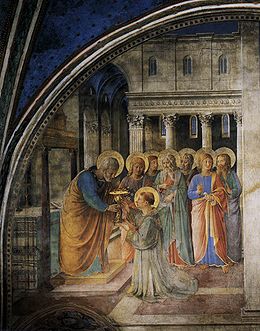

Ch. 6:1-7 – How do you run a Church? Is there a biblical way? What difference does it make? What do the poor have to do with it? Are deacons necessary?
Also on the ASK podcast here as audio only
And if you don’t want to listen to the whole thing here is a summary in our Question of the Week…
Some of the notes and quotes…
1) Satan’s Strategy – v.1
The devil did not overcome through persecution or corruption. Now he tries a new tac – distraction. Lets get the apostles to do admin – or meet the social needs. And lets get some culture wars going in the church….division
First called disciples here in Acts – used 28 times. Not just attenders, not just interested but disciples. A church consists of disciples.
The church was growing and then the complaints came. You would think that the complaints would come when a church was declining – but it is often when the church is growing.
There were a lot of widows in Jerusalem . Hebrew widows would make their way to the big city. Sometimes families did not care for their own. Some rabbis had suggested only those buried in Jerusalem would be raised from the dead. ‘Roll underground all the way to Jerusalem”….Others said you had a special blessing if you died in Jerusalem. Some of these had converted.
There were the Hellenistic Jews and the Hebraic Jews. The former were not just from Greek areas but they thought like Greeks – 10%-20% The latter thought like Hebrews and spoke Aramaic. They didn’t like the foreigners and though it was compromise. There are differences because of language and culture. And the Hellenisti thought they were being neglected in the issue of distributing food. To the widows. Poor admin and supervision – not deliberate.
Let’s have Peter, James and John hand out the food….The difficulty was that if the Apostles took time to sort this out – doing the admin and dealing with the complaint….it would take all their time….and they would neglect the preaching and teaching.
2) The Solution – v.2-4
They gathered all the disciples together. They had an AGM….a church meeting!
They could not neglect the ministry of the word. They were not saying the diaconal ministries it was not important…its just that was not their calling. ‘Less preaching and more programmes’ was not the motto of the early church’!
So they appoint the diaconai…..deacons. Note the church appoints – not the apostles. There is a kind of democratisation. The congregation chooses its officebearers.
It’s a simple structure for the Church – We have here the basic NT structure –
Those who teach the word and pastor – ministry of the word and prayer. This is not just preaching but leading bible study, training counselling.
And Ministry of tables. Those who administer the material and deal with the social needs. This is not just church buildings and finance but also material needs of the congregation and mercy ministries. Here it was the widows. Widows were particularly vulnerable in this culture – no economic control. Religion that God our Father accepts as pure and faultless is this: to look after orphans and widows in their distress and to keep oneself from being polluted by the world. (James 1:27) so that the Levites (who have no land allotted to them or any inheritance of their own) and the foreigners, the fatherless and the widows who live in your towns may come and eat and be satisfied, and so that the Lord your God may bless you in all the work of your hands. (Deuteronomy 14:29)
Deuteronomy 27:19 “19 ‘Cursed is anyone who withholds justice from the foreigner, the fatherless or the widow.’ Then all the people shall say, ‘Amen”
In Stalin’s Russia the communist party put a ban on charitable or cultural activities by churches because “The State cannot tolerate any challenge to its claim on the heartstrings of the Russian people”…..
Could not happen here? Greg Sheridan in yesterday’s Australian – “fundamental cultural change is under way here, perhaps the most destructive we’ve seen. Official Australia, more the bureaucrat/academic/media class than politicians, no longer sees Christianity as a social good. Rather, they see it now as anti-social, something to be constrained.” Work while we still have the light….
3) The Servants – v 5-6
Pleased the whole group –
They were all men – specific term for men. Doesn’t answer the question of women deacons because at this stage they are not called deacons. Romans 16 – Phoebe a deaconess of the church in Rome….
Stephen – full of the Holy Spirit and faith – both ministry of the world and ministry of tables require spiritual people.
Philip a key character in Acts – who we will meet later.
The rest all Greek names- one convert to Judaism
We had the qualification earlier in v.3 – known to be full of the Spirit and wisdom. They care for the poor and preach the Gospel – Isaiah 11:2 “The Spirit of the Lord will rest on him— the Spirit of wisdom and of understanding, the Spirit of counsel and of might, the Spirit of the knowledge and fear of the Lord”
Note there were 7 – which is a symbolic number for the Jews. The 70 elders of Numbers.
Ordination – laying on of hands – commissioning.
4) The Success – v. 7
The word of God spread. Of course. Like butter…. It’s a great summary of growth. Interesting phrase – the word of God grew….its living and active. The parable of the sower…the seed is the word….
The disciples increased
Lots of priests were added. Perhaps 18,000 priests in Jerusalem….a large number of them becoming Christians would cause alarm….
Incidentally notice the phrase “obedient to the faith” “ He will punish those who do not know God and do not obey the gospel of our Lord Jesus” (1 Thessalonians 2:8)
Question of the Week – How do you run a church?Conclusion for Scots Kirk.
1_ These two roles are essential – ministry of the word and ministry of tables. Pastors can become overwhelmed with admin – Terry
They want to keep control of everything….the standards of preaching and teaching decline. Or sometimes the people just want the minister to be a general manager.
2. This is a multicultural, multi-ethnic church.
3.. Growth is spurred by the appointment of new leadership. Such leadership should be of spiritual and wise people.
4. Service is essential – willing to wait on tables.
5. Delegation is essential – spiritual
6. Spiritual discipline is essential…v. 4 we will give our attention to the ministry of the word and prayer
7. The building up of community does not lead to a neglect of evangelism – rather it fed it.
Stott – “What is needed is the basic, biblical recognition that God calls different men and women to different ministries. Then the people will ensure that their pastor is set free from unnecessary administration, in order to give himself to the ministry of the word. And the pastor will ensure tha thte people discover their gifts and develop ministries appropriate to them”.
Schreiner “ A lack of care for the marginalised results in stunted growth. Active care to the down and outs result in God’s blessing. Lukes theology is that the word births the church, the word changes the church and the word grows the church”!
R Kent Hughes – Our Father, we thank you for this account of how the Holy Spirit repulsed inward attacks of our enemy. We pray, God, that you would cause us to be a part of the answer, to examine our own hearts, to take our criticism to those who can do something about it, to lead in any way you desire – being willing to delegate to and equip others. Lord, help us to be willing to have you fill us and use us however you desire. In Jesus’s name. Amen”
QW 25 – What is the Church for?
Over decades I have observed three principal causes of ‘clergy burnout’ and disfunctional churches –
* Congregations who place inordinate burdens on their pastor/minister. (“We pay you do to the work.”)
* Pastors/ministers who will not ‘let go’ of, and jealously guard their status and function.
* The extent to which some who are pastorally-gifted but who are not the best teachers/preachers and vice versa. In both cases the pastor/teacher model obliges the individual to function in a role for which he is not gifted/equipped.
By far and away the most crippling facet of church as it is mainly structured is the totally unbiblical distinction between clergy and laity: a glaring error which was, very sadly, carried over from the Roman Catholic church by the Reformers. It is an error which persists through to the present day.
The insertion of punctuation in the King James Bible (and some other translations) seriously distorts the sense of what Paul was writing regarding ‘all-member ministry’.
Ephesians 4:11,12 outline the nature and purpose of the (so-called) five-fold ministries.
>>>> (11) And he gave some, apostles; and some, prophets; and some, evangelists; and some, pastors and teachers; (12) For the perfecting of the saints, for the work of the ministry, for the edifying of the body of Christ: (KJV) <<>>for the perfecting of the saints for the work of ministry<<<<<.
Accordingly, and this is the point, it is the saints who become equipped "for the work of ministry" and by so doing the body is edified. Verse 16 (et al) outlines the 'whole body/all-member' ministry and ensuing health and vitality of the church.